
Heat can be deadly by pushing the human body beyond its limits. A heatwave, an extended period of extreme heat that is often accompanied by high humidity, can be life-threatening for people who don’t take the proper precautions. In these conditions, evaporation slows, and the body must work even harder to maintain a normal temperature. In a typical year, approximately 175 Americans succumb to the demands of the summer heat. The health of student-athletes is a major concern as summer camps and training begins.
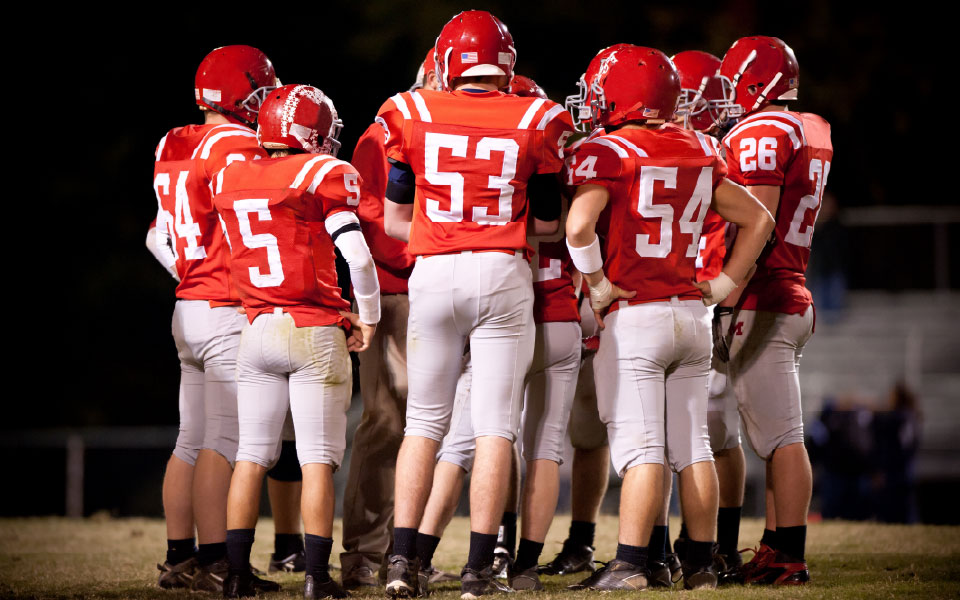
Student-athletes participating in outdoor summer conditioning face an increased risk of heat illness, sun stroke, and heat stroke symptoms if precautions are not taken.
Stay safe in the summer heat with these tips:
Know the Signs of Sun Stroke
Most heat disorders occur because the victim has been overexposed to heat or has over-exercised for their age and physical condition. Older adults, young children and those who are sick or overweight are more likely to succumb to extreme heat. Other conditions that can induce heat-related illnesses include stagnant atmospheric conditions and poor air quality.
It is always wise to avoid scheduling workouts and practices during the hottest times of the day. Try scheduling early in the day or later in the evening to avoid the extreme heat.
Coaches and trainers should also watch for early sun-stroke symptoms such as fatigue, dizziness, and confusion.
Heat Exhaustion
Heat exhaustion occurs when a person cannot sweat enough to cool the body — typically the result of not drinking enough fluids during hot weather. It generally develops when a person is playing, working or exercising outside in extreme heat.
Symptoms include the following:
- Dizziness, weakness, nausea, headache and vomiting
- Blurry vision
- Body temperature rising to 101°FSweaty skin
- Feeling hot and thirsty
- Difficulty speaking
Recognizing these heat exhaustion symptoms early can help prevent sun stroke or heat stroke.
A person suffering from heat exhaustion must move to a cool place and drink plenty of water to avoid heat stroke — an even more severe heat-related condition.
Sun Stroke
In hot and humid weather, sometimes your body’s natural cooling system isn’t enough. Heat stroke, also commonly called sun stroke, is the result of untreated heat exhaustion.
Symptoms of sun stroke include:
- Absence of sweating
- Unawareness of thirst and heat
- Body temperature rising rapidly to above 101°F
- Confusion or delirium
- Possible loss of consciousness or seizure
Additional sun stroke symptoms may include fainting, rapid pulse, hot skin, and disorientation.
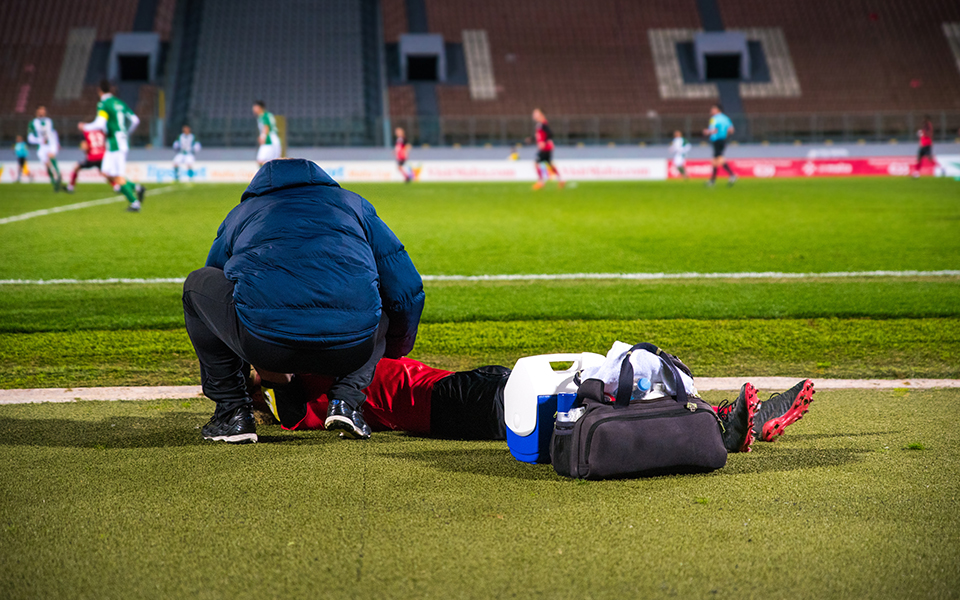
Heat stroke is a serious medical emergency that must be treated quickly by a trained professional. Until help arrives, cool the person down by placing ice on the neck, armpits and groin. If the person is awake and able to swallow, have them or until help arrives.
Before Extreme Heat
To prepare for extreme heat, do the following:
- Build an emergency kit and make a communication plan with your staff.
- Listen to local weather forecasts so you can be aware of upcoming temperature changes.
- Get trained in first aid to learn how to treat heat-related emergencies.
- Advise student-athletes to wear lightweight clothing and to bring sunscreen with them to practice.
Encourage athletes to hydrate before activity to reduce the risk of sun stroke.
Tips for Staying Cool
When a large portion of summer training and camp happens outside in the heat, keep yourself and your student-athletes cool by following these safety tips:
- Drink plenty of water. The average adult needs eight 8-ounce glasses of water a day, and even more during hot weather. Always make sure you have enough water for yourself and your teams.
- Eat well-balanced meals. Avoid using salt tablets unless directed to do so by a physician.
- Apply sunscreen and regularly reapply it. Supply extra for your student-athletes in case they forgot or need to reapply.
- Take longer breaks. The American Red Cross recommends stopping every 20 minutes to take a break and drink fluids.
- Find the shade. Set up a space underneath a tree or create a shaded zone with a canopy for some added relief. When the sun isn’t directly hitting skin, it can make all the difference.
Monitor athletes closely for heat stroke symptoms or sun-stroke symptoms during drills and conditioning.
Summer heat can be more than uncomfortable; it can be a threat to your health, especially for student-athletes. Don’t let the summer sun get the best of you.
Keep Your Cool with CBIZ Sports Insurance
We are here to provide you and your teams with ongoing support throughout life and on the field. To learn more about how CBIZ Sports Insurance can protect your teams, connect with us today.
Frequently Asked Questions
Common sun–stroke symptoms include high body temperature, confusion, dizziness, headache, nausea, fainting, and possible loss of consciousness.
Sun stroke is a commonly used term for heat stroke caused by prolonged sun or heat exposure. Heat stroke is the broader medical term for dangerous overheating.
Call emergency medical help immediately, move the athlete to shade, remove excess clothing, apply ice packs, and begin cooling the body.
This article may contain scenarios that are provided as examples only. Coverage is subject to the terms, conditions and exclusions of the policy issued. The information provided is general in nature and may be affected by changes in law or the interpretation of such laws. The reader is advised to contact a professional prior to taking any action based upon this information.